We treat a gift as a single moment: the unwrapping. But a well-planned gift actually makes someone happy across three separate windows — and most people waste the first and biggest one.
The wait is doing more than you think
When researchers tracked how people felt while waiting to buy things, a clear pattern emerged. Waiting for an experience left people in "better moods" — their anticipation "tinged with excitement," while waiting for a physical thing was tinged with impatience.
In other words, anticipation isn't dead time before the fun. It is fun.
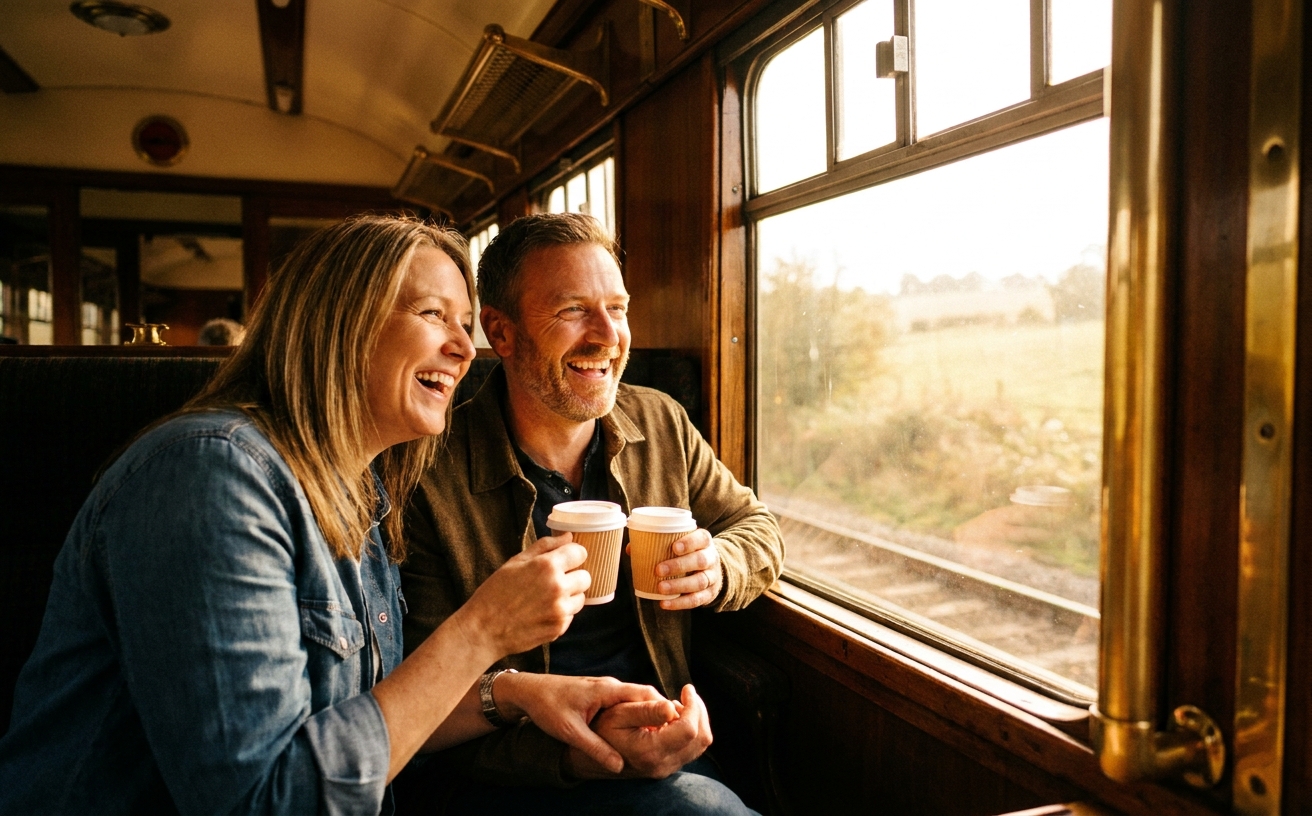
Three windows, not one
| Window | What's happening |
|---|---|
| Before — anticipation | Looking forward: daydreaming, planning, excitement building. |
| During | The experience itself — the day you both turn up for. |
| After | The memory, retold as a story for years. |
Experiences pay out in all three windows. A surprise with a date on it maximises the first.
Source: Kumar, Killingsworth & Gilovich (2014)
A gift can pay out before, during and after. A last-minute present only really uses the middle window. A planned surprise uses all three — and the "before" is the one you get almost for free, just by giving it ahead of time.
How to build a great countdown
The trick is to reveal that something is coming without revealing what. Give them a date to circle, a hint to turn over in their mind, a "clear your Saturday and trust me." Every time they wonder about it, that's the gift working.
Then protect the payoff: keep the reveal for the day itself, so the anticipation resolves into a genuine surprise rather than fizzling out early.
Anticipation is a gift you can design
That's exactly what a Golden Ticket does. You plan the experience now; they scan to learn a surprise is coming — and it drops into their calendar with a countdown ticking. Days of quiet excitement, then the reveal.
Want to feel the countdown yourself? Try the free demo.